Drinking the Water of a Dying Comrade
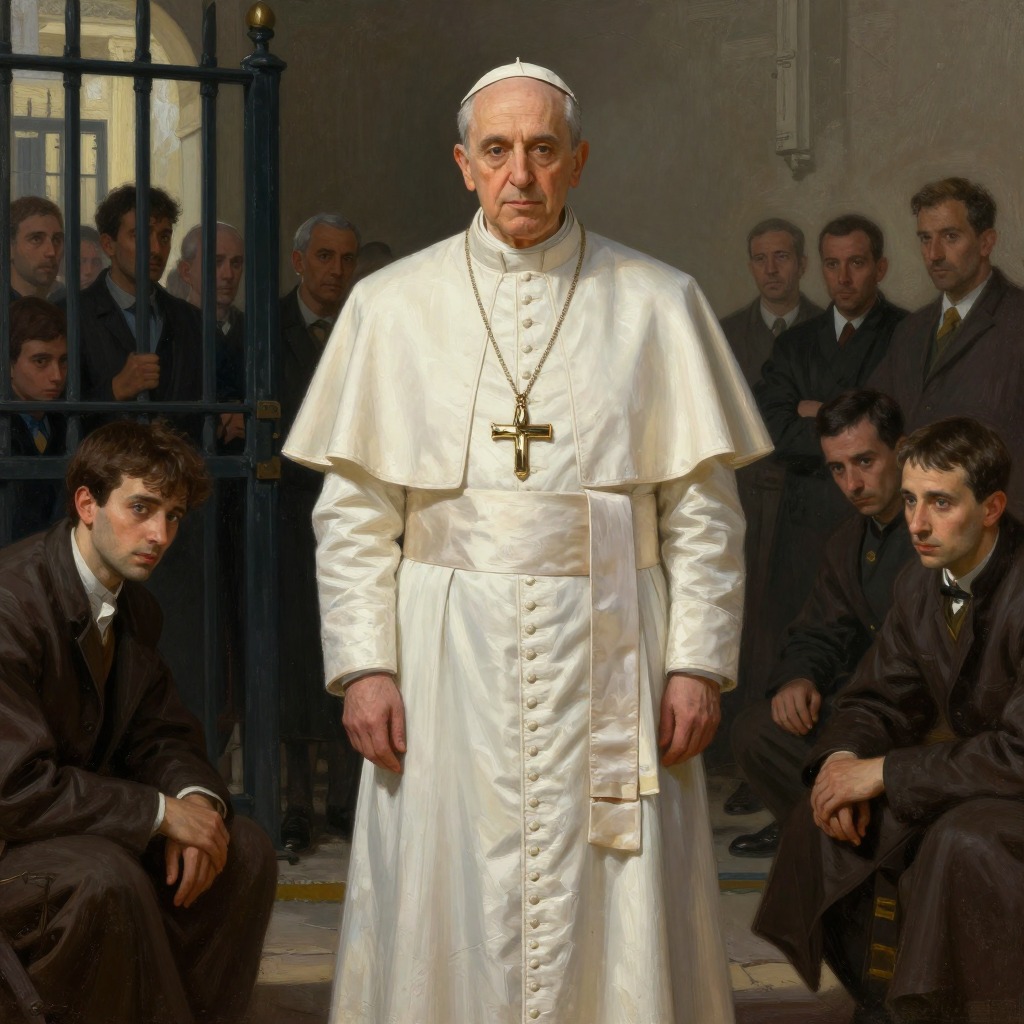
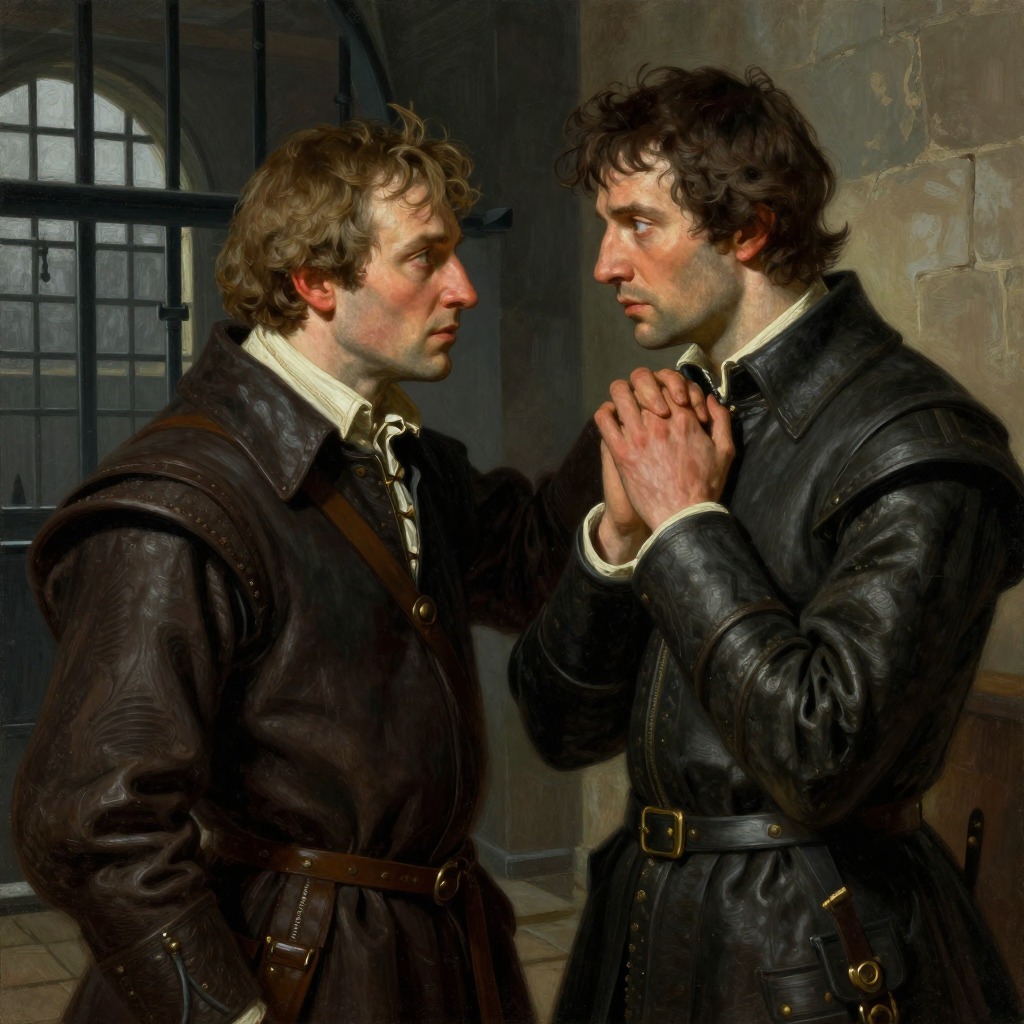
Drinking the Water of a Dying Comrade is the decisive, shameful act that seals Jean-Baptiste Clamence's moral collapse and provides the experiential foundation for his later profession as a judge-penitent. It occurs during his internment in a camp near Tripoli, where he had been elected a kind of pope by his fellow prisoners—a role he accepted half in jest but exercised with increasing seriousness. The camp's central ordeal was the water allotment, a daily struggle for survival under a vertical sun, amid flies, sand, and destitution. Clamence, as the de facto leader of his group, was responsible for distributing this scarce resource. He soon found that he could not maintain complete equality; according to a comrade's condition or the work he had to do, Clamence would give an advantage to this or that man. Such distinctions, he later reflects, are far-reaching. The circle closed the day he drank the water of a dying comrade. The man was not Du Guesclin, the young Catholic idealist who had first proposed the election; Du Guesclin was already dead, having stinted himself too much. Clamence loved Du Guesclin—or so it seemed to him—and out of that love he might have resisted longer. But he drank the water, convincing himself that the others needed him more than this fellow who was going to die anyway, and that he had a duty to keep himself alive for them. In that moment, he later says, empires and churches are born under the sun of death. The act is not presented as a single dramatic transgression but as the logical endpoint of a series of small concessions that began when he first favored his own comrades over others. It reveals that Clamence's pontificate, which he had imagined as a form of benevolent leadership, was in fact a structure of power that required him to sacrifice the weakest for the sake of the group—and for his own survival. The memory of this act haunts him and becomes a key piece of evidence in the case he builds against himself and, by extension, against all humanity. It demonstrates that he is not merely a vain Parisian lawyer but a man capable of letting another die so that he might live, and that this guilt is not an exception but the rule of human existence. The water of the dying comrade thus becomes the bitter baptism that initiates Clamence into the democracy of guilt, the conviction that every man testifies to the crime of all the others. It is this knowledge that he later uses to justify his practice of accusing himself in order to judge others, and to argue that slavery—the collective submission to a master—is the only definitive solution to the torment of being judged without a law.